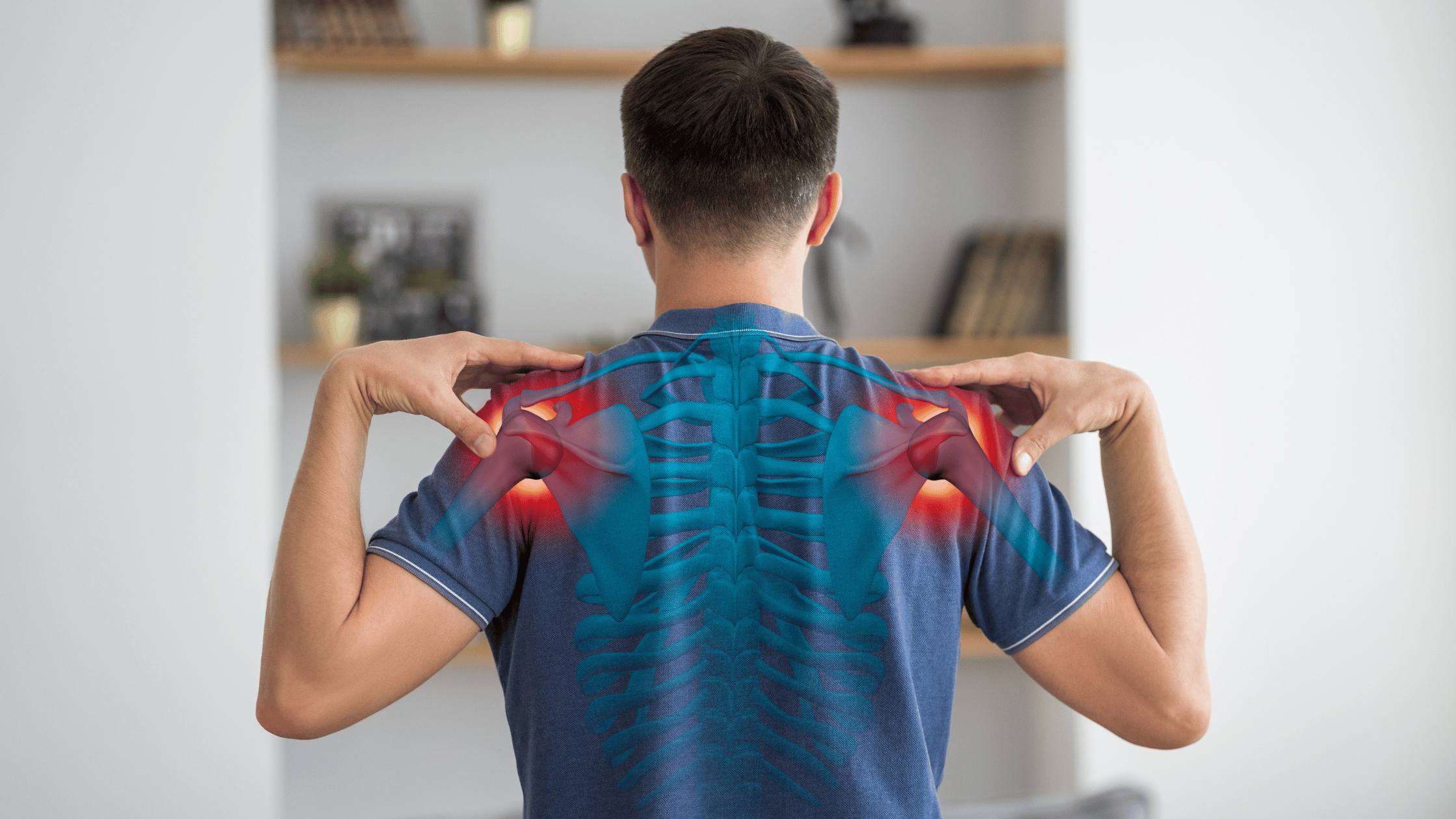
Frozen shoulder, also known as adhesive capsulitis, is a painful and frustrating condition that limits your shoulder’s range of motion. It develops gradually, often without a clear cause, and can significantly impact everyday activities like reaching, dressing, driving, or even sleeping.
Although it’s not permanent, frozen shoulder can take months or even years to fully resolve — especially without proper care. Understanding how to treat it effectively and what to expect during recovery can make a big difference in your healing process and quality of life.
In this article, we’ll explore how to treat frozen shoulder, what recovery looks like, and how to manage pain along the way.
🧊 What Is Frozen Shoulder?
Frozen shoulder occurs when the connective tissue capsule surrounding the shoulder joint becomes inflamed and stiff, restricting movement. Over time, the shoulder “freezes” due to pain and disuse, causing further immobility.
Common Symptoms:
- Gradual onset of shoulder stiffness
- Dull or aching pain in the shoulder and upper arm
- Limited range of motion — both active (self-movement) and passive (when moved by another person)
- Worse at night or when reaching behind your back
Causes and Risk Factors:
- Age (most common between 40–60 years old)
- Gender (more common in women)
- Medical conditions like diabetes, thyroid disorders, stroke, or shoulder injuries
- Prolonged immobility after surgery or trauma
🩺 Phases of Frozen Shoulder: What to Expect
Frozen shoulder typically progresses through three distinct phases — each with its own symptoms and timeline.
1. Freezing Phase (2–9 months)
- Pain increases gradually, especially at night
- Shoulder motion begins to decrease
- Activities like combing hair or putting on a shirt become difficult
2. Frozen Phase (4–12 months)
- Pain may reduce slightly
- Shoulder stiffness remains or worsens
- Significant limitation in range of motion
3. Thawing Phase (6–24 months)
- Shoulder motion slowly returns
- Pain continues to decrease
- With time and movement, normal function may resume
Each person’s timeline is different, but most people recover within 1.5 to 3 years. Treatment can help speed up recovery and reduce pain during each stage.
💪 Non-Surgical Treatments for Frozen Shoulder
In most cases, frozen shoulder can be treated without surgery. Here are the main non-invasive approaches recommended by doctors and physical therapists:
🧘♂️ 1. Physical Therapy
This is the cornerstone of frozen shoulder treatment. The goal is to restore movement gradually without causing excessive pain.
Key Techniques:
- Passive stretching: Therapist-assisted movement
- Active stretching: Self-movement within comfort range
- Range-of-motion exercises: Pendulum swings, wall climbs
- Strength training: Introduced gradually in the thawing phase
🕒 Frequency: 2–3 sessions per week, plus daily home exercises
📌 Tip: Be consistent. Overdoing it can worsen inflammation, while under-doing it slows recovery.
💉 2. Medication
To manage pain and reduce inflammation, your doctor may recommend:
- NSAIDs: Ibuprofen or naproxen for short-term relief
- Corticosteroid injections: Into the joint capsule to reduce inflammation, especially in the freezing phase
While injections can relieve pain for several weeks, they are not a cure — and they work best when combined with physical therapy.
🌡️ 3. Heat and Cold Therapy
- Heat: Warm compresses or hot showers before stretching can loosen the joint
- Cold: Ice packs after exercise help reduce swelling and pain
Alternate heat and cold as needed, especially during the early phases when pain is more intense.
💤 4. Lifestyle Adjustments
- Modify daily activities to avoid overreaching or lifting
- Sleep with extra pillow support to reduce shoulder pressure
- Avoid prolonged immobility — movement is key to recovery
If possible, set up your workspace or home environment to encourage gentle use of your affected arm.
🔬 Surgical or Advanced Options (When Needed)
While rare, some severe or non-responsive cases may require more advanced treatments:
1. Hydrodilatation (Distension Injection)
- A saline and steroid solution is injected into the joint to stretch the capsule and restore movement.
2. Manipulation Under Anaesthesia (MUA)
- The shoulder is gently moved while the patient is under anesthesia to break adhesions.
3. Arthroscopic Capsular Release
- A minimally invasive surgery where scar tissue is cut to increase mobility.
These options are typically reserved for patients who fail to improve after 6–12 months of conservative treatment.
⏱️ How Long Does It Take to Heal Frozen Shoulder?
Recovery time varies based on:
- The phase you’re in when treatment starts
- Your age and overall health
- How consistent you are with therapy
- Whether or not you have underlying conditions like diabetes
Average Recovery Timeline:
| Phase | Duration | Focus |
|---|---|---|
| Freezing | 2–9 months | Pain management, gentle stretching |
| Frozen | 4–12 months | Stretching, increasing motion |
| Thawing | 6–24 months | Strengthening, restoring function |
In total, most people recover within 12 to 36 months — though starting early treatment can shorten this timeline.
✅ Conclusion: Patience, Movement, and the Right Support
Frozen shoulder is not a permanent condition, but it does require time, care, and consistency. While it can be painful and limiting, the good news is that most people fully recover with non-surgical treatment — especially when physical therapy and pain management are started early.
If you’re experiencing symptoms of frozen shoulder, don’t ignore them or hope it will resolve on its own. Talk to a doctor or physiotherapist, begin a personalized treatment plan, and commit to slow, steady progress.
With patience and the right approach, you can regain your shoulder’s strength, flexibility, and comfort — and get back to the life you love.